
TUJIJENGE FOUNDATION
Building Resilient Futures with Communities
Protecting human capital through climate-resilient systems in education, health, and livelihoods.
Climate variability is increasingly shaping the development trajectory of communities across Tanzania. Recurrent droughts, erratic rainfall patterns, and environmental stress are placing pressure on the systems that sustain everyday life—education, health, and livelihoods.
Without integrated and forward-looking responses, these pressures risk translating into long-term losses in human capital, reduced productivity, and widening inequalities.
Tujijenge Foundation works to strengthen the systems that underpin human development, ensuring communities are better equipped to withstand and adapt to these pressures.
WHAT WE DO
Secondary schools educate millions of Tanzanian students and
play a decisive role in shaping the country’s future workforce, professional
class, and leadership. Climate variability is increasingly undermining school
functionality through water scarcity, extreme heat, flooding, sanitation
breakdowns, and disruptions to food supply systems.
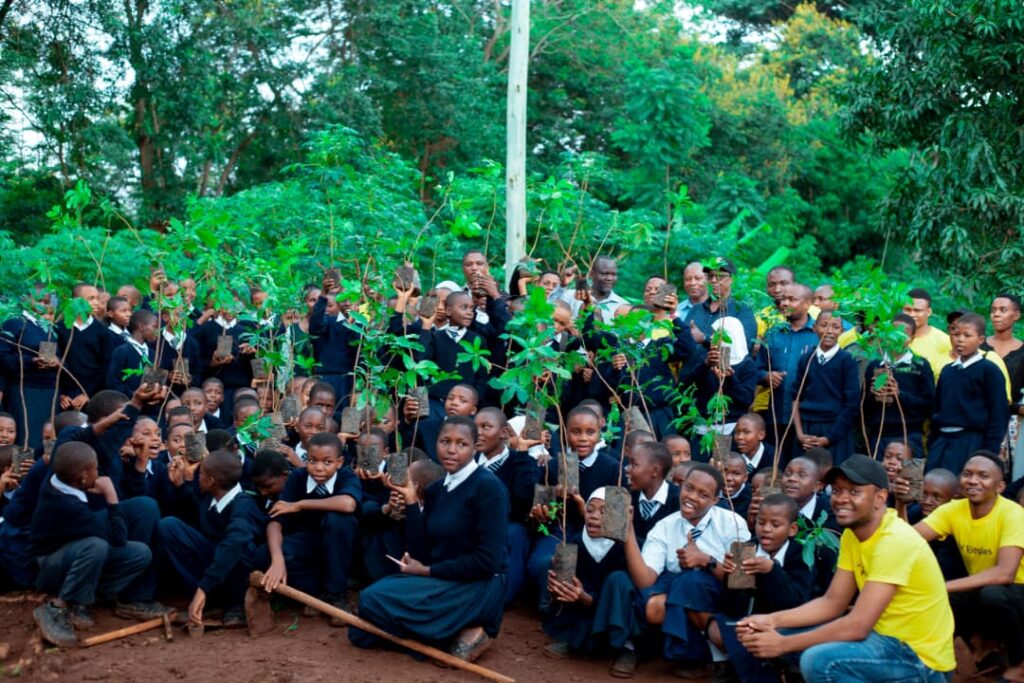
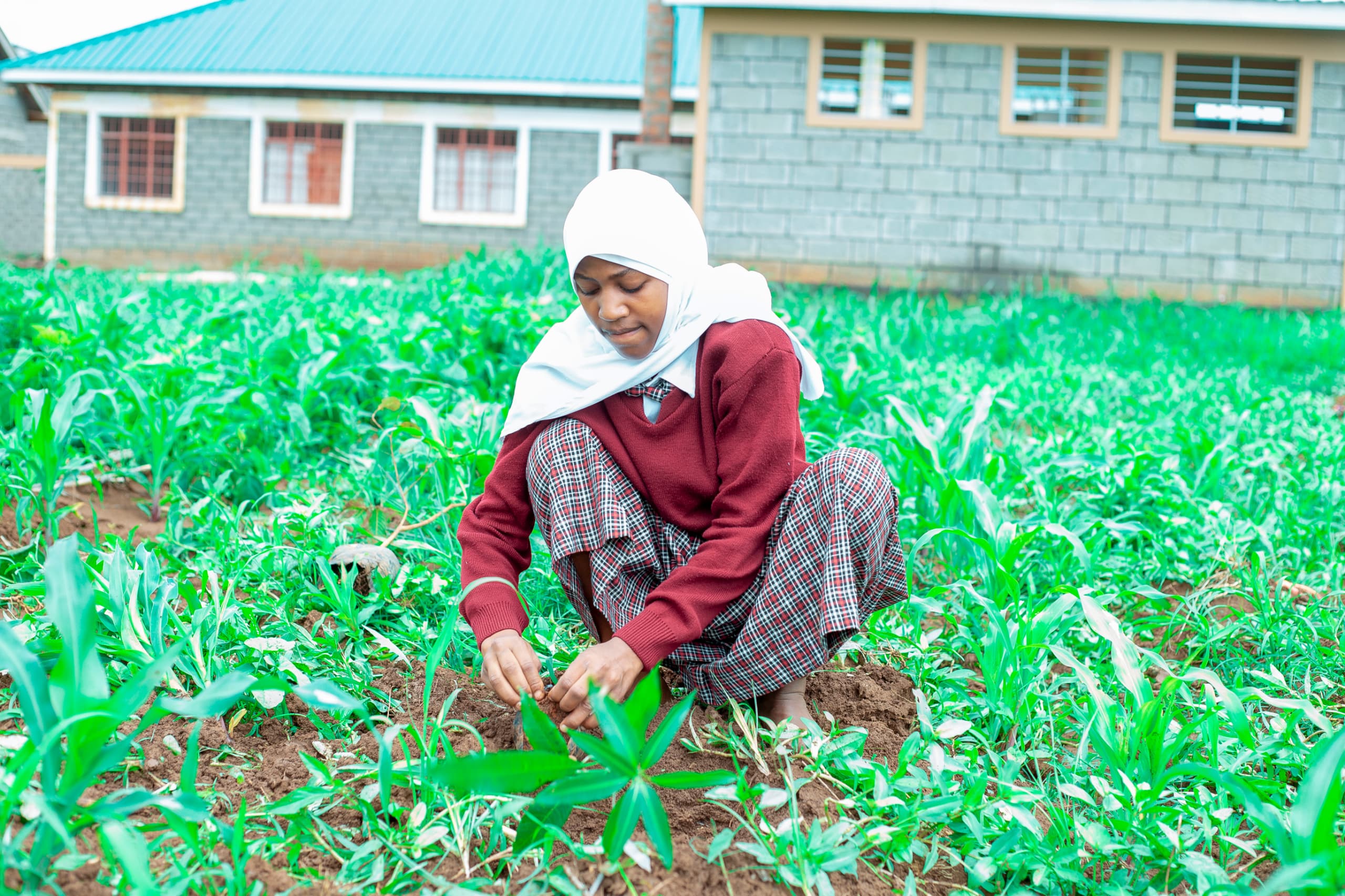
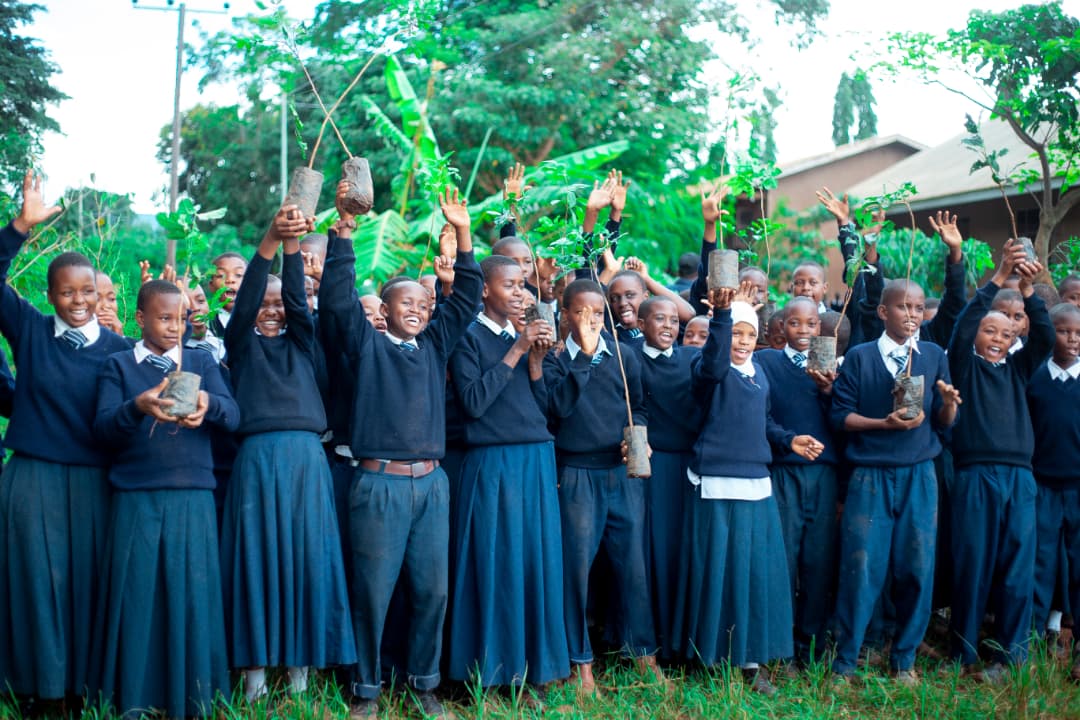
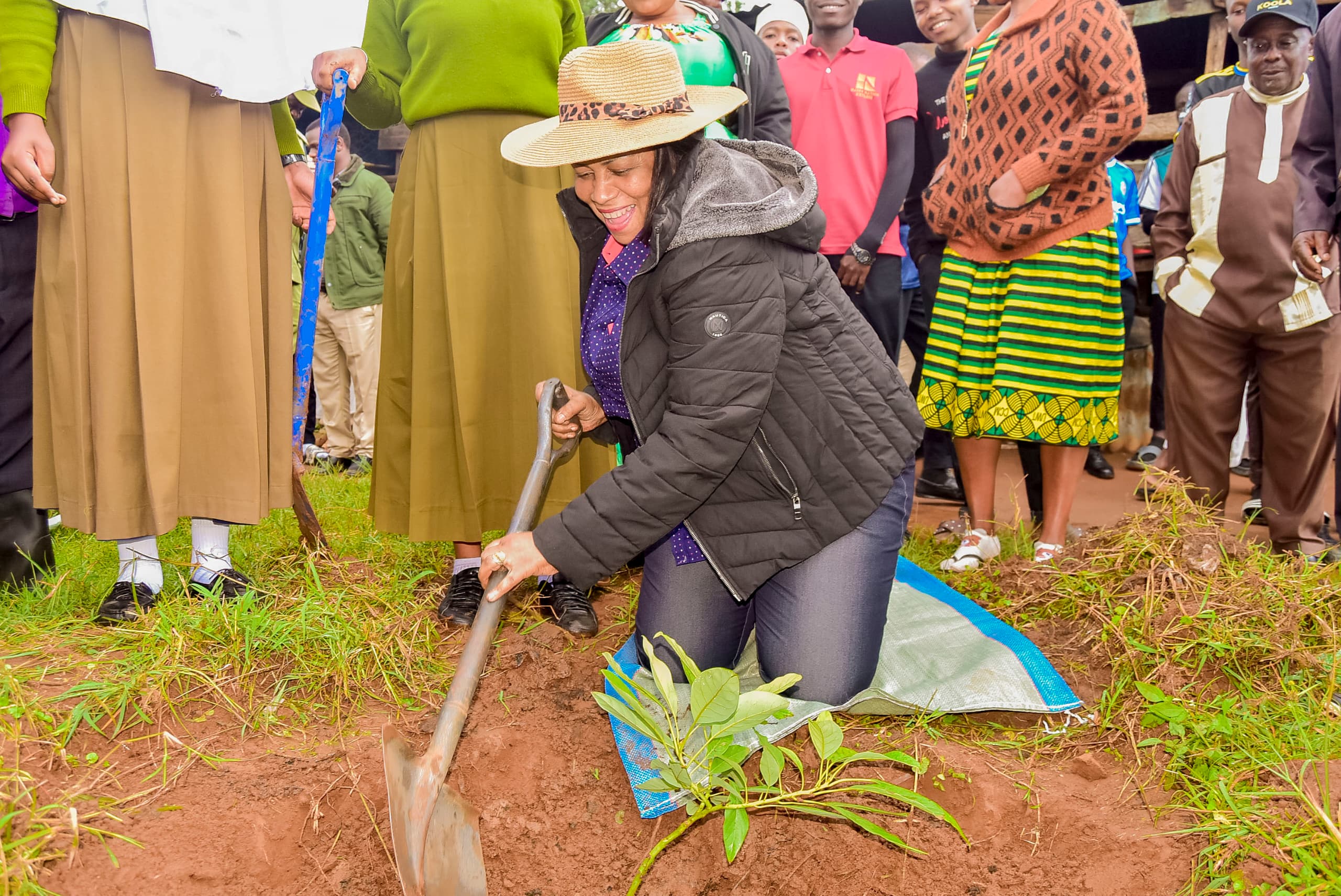
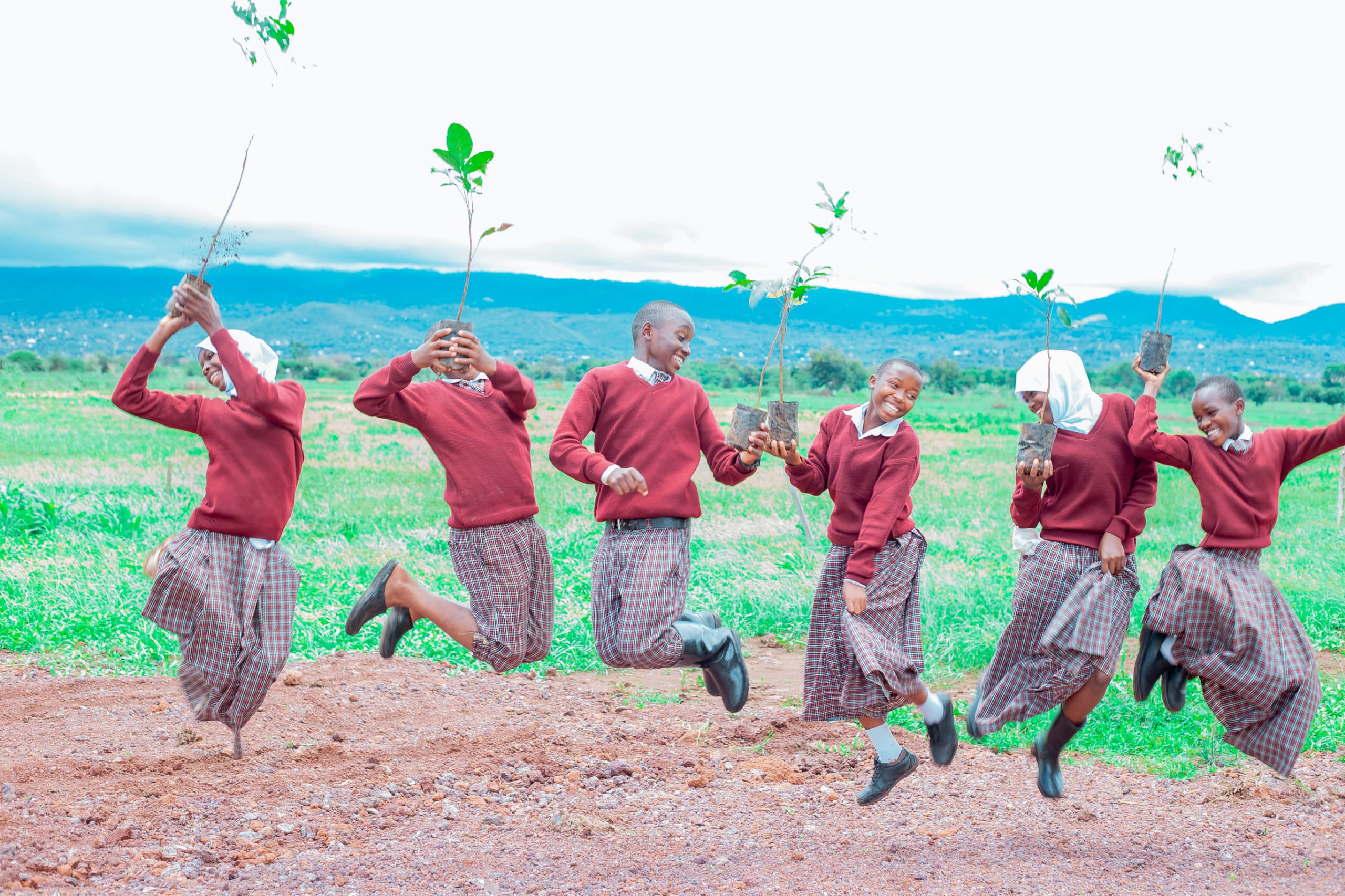
The Greening Schools initiative transforms selected
institutions into climate-resilient, health-supportive learning environments through
a practical Minimum Viable Climate-Health School Standard. Interventions
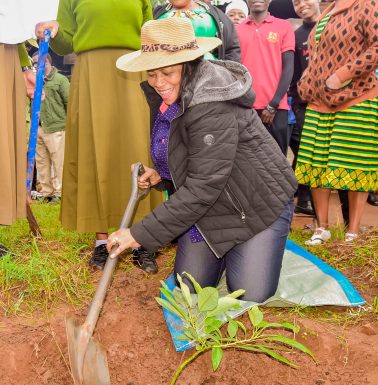
include reliable water systems, adequate sanitation facilities, shaded
microclimates through tree planting, clean cooking technologies, climate-smart
school gardens, and improved waste management.
Climate variability is reshaping public health risks by altering disease patterns, compromising water quality, and increasing exposure to environmental hazards. Health outcomes depend not only on healthcare availability but also on household conditions and behaviors.
The Smart Climate Health initiative strengthens preventive capacity at household and community level through practical measures such as safe water practices, hygiene promotion, maternal and child health preparedness, awareness of environmental health risks, and improved communication with health services. These actions reduce disease incidence, prevent complications, and support timely care-seeking.
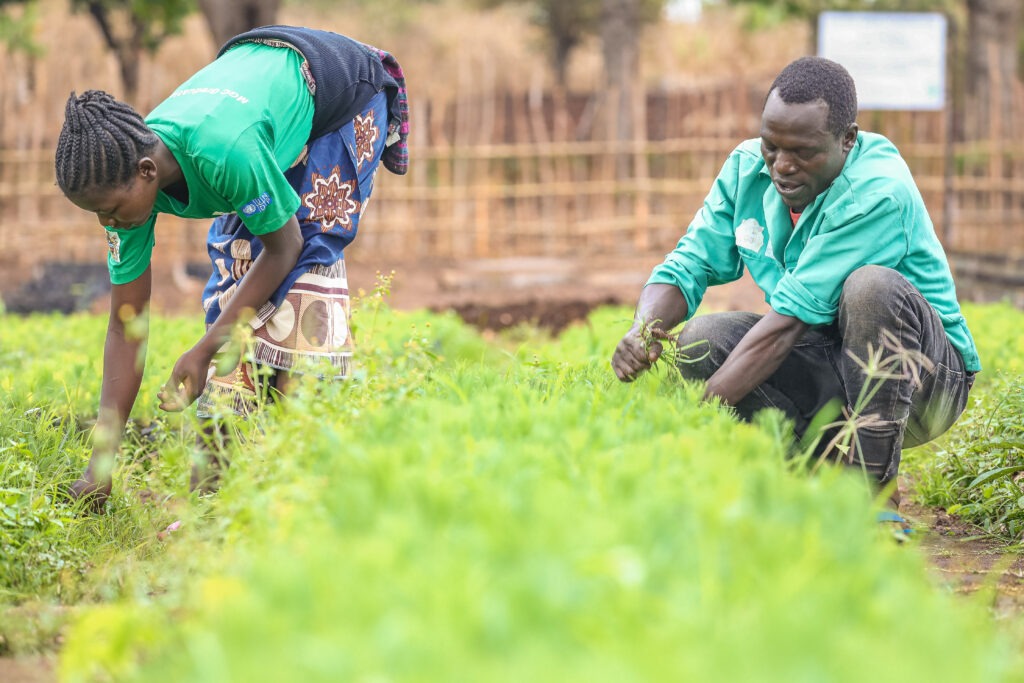
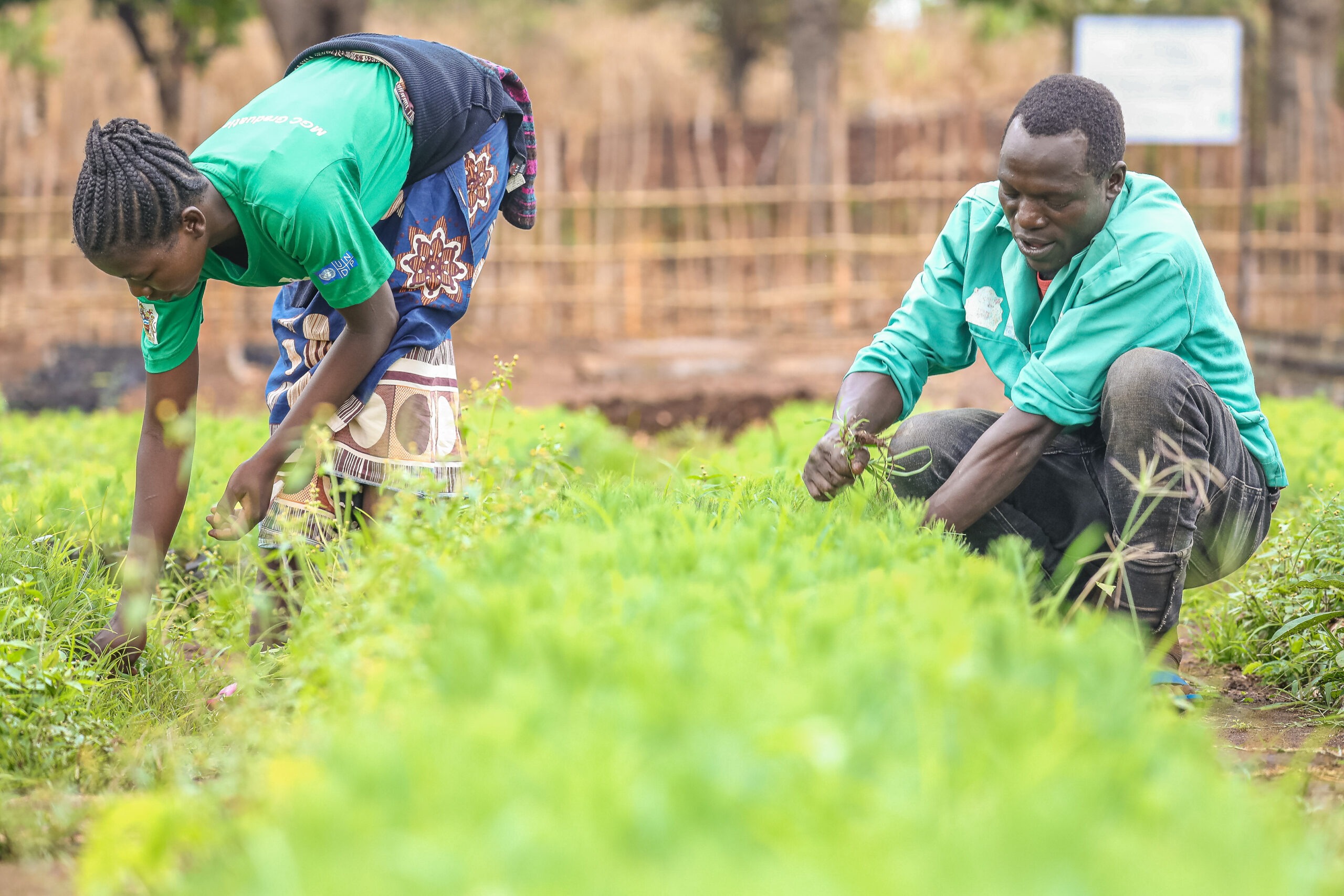
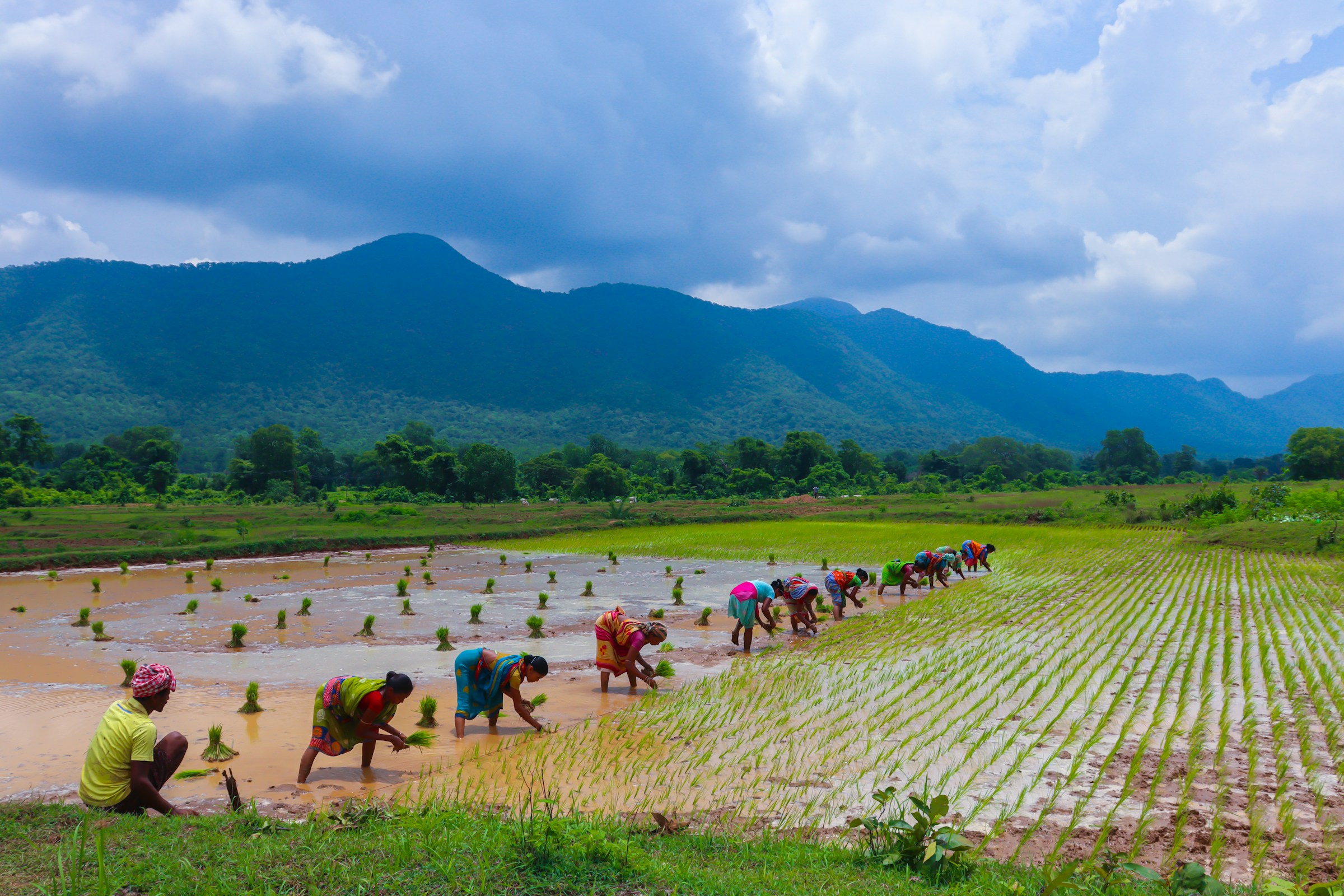
Economic stability is a critical foundation of resilience because households serve as the primary buffer against environmental shocks. Many Tanzanian families depend on climate-sensitive livelihoods vulnerable to rainfall variability and environmental degradation.
The Climate-Resilient Livelihoods initiative strengthens household capacity to withstand and recover from shocks by promoting diversified income opportunities, financial literacy, savings practices, adaptive skills, and community support mechanisms. Stable livelihoods enable continued investment in education, nutrition, healthcare, and safe living conditions even during difficult periods.
Together, the three initiatives form an integrated system for protecting human capital and sustaining development progress in the face of climate uncertainty.
Integrated Climate-Resilience Architecture
Climate change is not experienced in isolation. Its effects are transmitted through interconnected systems—education, health, and livelihoods. Weakness in one domain often triggers cascading impacts across others, creating compounded vulnerability.
Tujijenge Foundation applies an integrated resilience model that strengthens these systems simultaneously. By addressing structural constraints across multiple domains, the Foundation ensures that interventions generate reinforcing and sustained outcomes rather than isolated improvements.
WHY TUJIJENGE MATTERS
Climate variability represents a systemic risk that affects multiple sectors simultaneously. Its impact is most visible at community level, where it disrupts learning, increases health risks, and undermines economic stability.
Without integrated responses, these pressures can lead to long-term human capital loss, increased poverty, and reduced national productivity.